7 things your body says that most people miss
The Article Your body rarely screams when it wants your attention. Most of the time, it whispers through small shifts in your energy, your skin, or even the way you breathe during a stressful meeting....
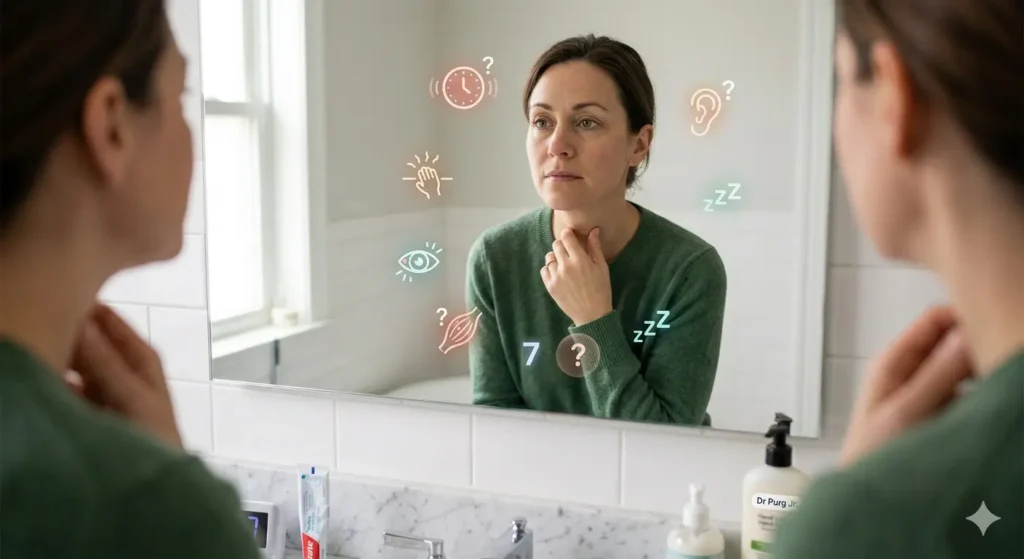
Your body rarely screams when it wants your attention. Most of the time, it whispers through small shifts in your energy, your skin, or even the way you breathe during a stressful meeting.
We often brush these moments off as “just getting older” or the result of a busy week. However, these subtle cues are often the body’s way of asking for a recalibration before a minor issue becomes a major hurdle.
Understanding these signals is not about self-diagnosis or panic. It is about becoming a better listener to the only home you will ever truly own.
1. The Persistent Eyelid Twitch
You are sitting at your desk when your left eyelid begins to flutter uncontrollably. It is annoying, slightly distracting, and usually gone within a few minutes, so you ignore it.
Many people assume an eye twitch is just a sign that they need more sleep. While fatigue is a major factor, this tiny muscle spasm, known as myokymia, is often a more complex signal from your nervous system.
For more context, see: Everyday Habit Checks People Forget When Headaches Hit.
What people often misunderstand:
It is rarely an issue with the eye itself. Instead, it is usually a sign that your “fight or flight” system is overactive. High caffeine intake combined with chronic stress can cause the nerves surrounding the eye to become hyper-excitable.
What to watch for:
Pay attention to when the twitching occurs. If it follows your third cup of coffee or happens during a high-pressure project, your body is likely signaling a magnesium deficiency or a need to dampen your cortisol levels.
When to ask a professional:
Talk to a healthcare professional if the twitching spreads to other parts of your face, if your eyelid closes completely, or if the twitching persists every day for more than two weeks.
Everyday takeaway:
Try increasing your intake of magnesium-rich foods like spinach, almonds, or pumpkin seeds, and consider cutting back on stimulants for a few days to see if the signal quiets down.
2. The Unexplained Salt Craving
We all have moments where a bag of potato chips sounds better than a balanced meal. But if you find yourself reaching for the salt shaker more often than usual, it might not just be a lack of willpower.
A sudden, intense drive for sodium can be your body’s way of trying to balance its internal chemistry. Salt is a critical electrolyte that helps manage fluid balance and nerve function.
What people often misunderstand:
Most people think salt cravings are just a sign of “junk food addiction.” In reality, frequent salt cravings can sometimes be linked to the adrenal glands, which sit atop your kidneys and manage your stress hormones.
What to watch for:
Observe if your salt cravings are accompanied by lightheadedness when you stand up quickly. This can sometimes indicate that your body is struggling to maintain blood pressure or that you are significantly dehydrated.
When to ask a professional:
Seek advice if these cravings are paired with extreme fatigue, darkened patches of skin, or unexplained weight loss, as these can be signs of underlying adrenal or kidney issues.
Everyday takeaway:
If you are craving salt after a workout, your body likely needs electrolytes. Instead of processed snacks, try adding a pinch of high-quality sea salt to your water or eating mineral-dense foods like celery and beets.
3. The Mid-Afternoon Energy Wall
Almost everyone experiences a dip in energy around 3:00 PM, but there is a difference between a natural lull and a total “crash.” If you feel like you physically cannot function without sugar or caffeine in the afternoon, your body is sending a message about your metabolism.
This “wall” is often a signal of how your body is processing glucose. When we eat meals that cause a sharp spike in blood sugar, a sharp drop inevitably follows.
What people often misunderstand:
People often blame the “afternoon slump” on a lack of sleep. While sleep matters, this specific signal is usually a direct result of what you ate for breakfast or lunch. A high-carb or high-sugar morning routine often sets the stage for a dramatic afternoon failure.
What to watch for:
Notice if your energy crash is accompanied by “brain fog” or irritability. This “hangry” feeling is a sign that your brain is struggling to get the steady supply of fuel it needs to maintain focus.
When to ask a professional:
If you experience extreme thirst, frequent urination, or blurred vision alongside these energy crashes, it is worth discussing your blood sugar levels with a doctor.
Everyday takeaway:
Try a “protein-first” approach to lunch. By prioritizing healthy fats and proteins earlier in the day, you can help stabilize your blood sugar and bypass the afternoon wall entirely.
4. Changes in Sweat Scent
Sweating is a natural, healthy process, but the way your sweat smells can shift based on what is happening inside. If you notice a sudden change in your body odor that isn’t related to a new gym routine, pay attention.
The scent of your sweat is influenced by everything from your hormones to the bacteria living on your skin. It is a real-time chemical report of your internal state.
What people often misunderstand:
People often assume bad-smelling sweat is just a hygiene issue. However, sweat itself is mostly odorless. The scent occurs when sweat reacts with bacteria or when the body is trying to “offload” certain compounds through the pores.
What to watch for:
An ammonia-like smell in your sweat can sometimes indicate that your body is burning protein for fuel instead of carbohydrates or fats. A fruity or overly sweet scent can sometimes be linked to how the body processes sugar.
When to ask a professional:
If your sweat suddenly smells significantly different and is accompanied by excessive thirst, fatigue, or changes in your bathroom habits, it is time for a check-up.
Everyday takeaway:
Use this signal as a prompt to check your hydration. Drinking more water helps dilute the compounds that cause strong odors, making the detoxification process easier on your skin.
5. Vertical Ridges on Your Nails
If you run your finger over your fingernails and feel small, raised vertical lines, you are looking at a signal of your body’s aging process or nutritional status. While horizontal ridges (Beau’s lines) are often more serious, vertical ones shouldn’t be ignored either.
Think of these ridges like the “tread” on a tire; they tell a story about the miles you have traveled and how well you are absorbing nutrients.
What people often misunderstand:
Many assume ridges are just a “weird nail thing.” In many cases, they are a sign of “malabsorption,” meaning your body might be taking in good food but isn’t effectively pulling the vitamins and minerals out of it.
What to watch for:
Look for these ridges alongside brittle nails or hair that breaks easily. This combination often points toward a deficiency in iron, B12, or protein.
When to ask a professional:
If you see horizontal grooves, deep indentations, or if your nails change color (turning yellow or white), consult a dermatologist or primary care physician.
Everyday takeaway:
Focus on gut health to improve nutrient absorption. Adding probiotic foods like yogurt or sauerkraut can help your body get more “mileage” out of the nutrients you consume.
6. Frequent “Invisible” Sighing
Have you ever had someone ask you “What’s wrong?” because you sighed deeply, even though you didn’t feel particularly sad? This “involuntary sighing” is a physiological signal that your respiratory pattern is off.
When we are under low-level, chronic stress, our breathing often becomes shallow. A deep, involuntary sigh is the body’s way of forcing a “reset” to expand the air sacs in the lungs.
What people often misunderstand:
Most people think a sigh is just an emotional expression. Physiologically, it is a survival mechanism. If you are sighing frequently, your body is likely operating in a state of “air hunger” because you aren’t exhaling fully or breathing deeply into your diaphragm.
What to watch for:
Notice if you hold your breath while typing an email or scrolling through social media. This is often called “screen apnea,” and frequent sighing is the correction for it.
When to ask a professional:
If sighing is accompanied by a persistent feeling of being unable to catch your breath or chest tightness, seek medical advice to rule out respiratory or cardiac issues.
Everyday takeaway:
Practice “box breathing” for two minutes a day. Inhale for four seconds, hold for four, exhale for four, and hold for four. This trains your nervous system to stay calm and reduces the need for the body to force a sigh.
7. Skin Tags in Specific Areas
Small, flesh-colored growths known as skin tags are common, especially as we age. However, where they appear and how many you have can be a subtle signal of your internal metabolic health.
Recent studies have suggested a link between a high number of skin tags and how the body manages insulin.
What people often misunderstand:
The common belief is that skin tags are just caused by skin rubbing against skin (friction). While friction plays a role, a sudden “crop” of skin tags on the neck or underarms can sometimes be a marker of insulin resistance.
What to watch for:
If you notice new skin tags appearing alongside darkened patches of skin (acanthosis nigricans), it is a strong signal that your body is struggling to manage its insulin levels effectively.
When to ask a professional:
If a skin tag changes color, bleeds, or grows rapidly, have a dermatologist examine it. It is also worth asking for a standard blood sugar panel if you notice many new tags appearing at once.
Everyday takeaway:
Take this signal as a cue to reduce highly processed sugars and increase physical activity, both of which help improve insulin sensitivity.
A Final Thought
Your body is a masterpiece of communication. These signals aren’t meant to cause worry; they are meant to empower you. By paying attention to the small shifts, you can make the tiny adjustments that lead to long-term vitality.
This is general health information, not medical advice. Always consult with a qualified healthcare professional regarding any physical symptoms or health concerns.