Cold Hands Are Not Always About the Weather
A careful, mobile-friendly look at cold hands, circulation cues, and daily triggers, explaining why cold hands can come from ordinary context, but persistent changes deserve attention without turning a general health fact into personal medical advice.
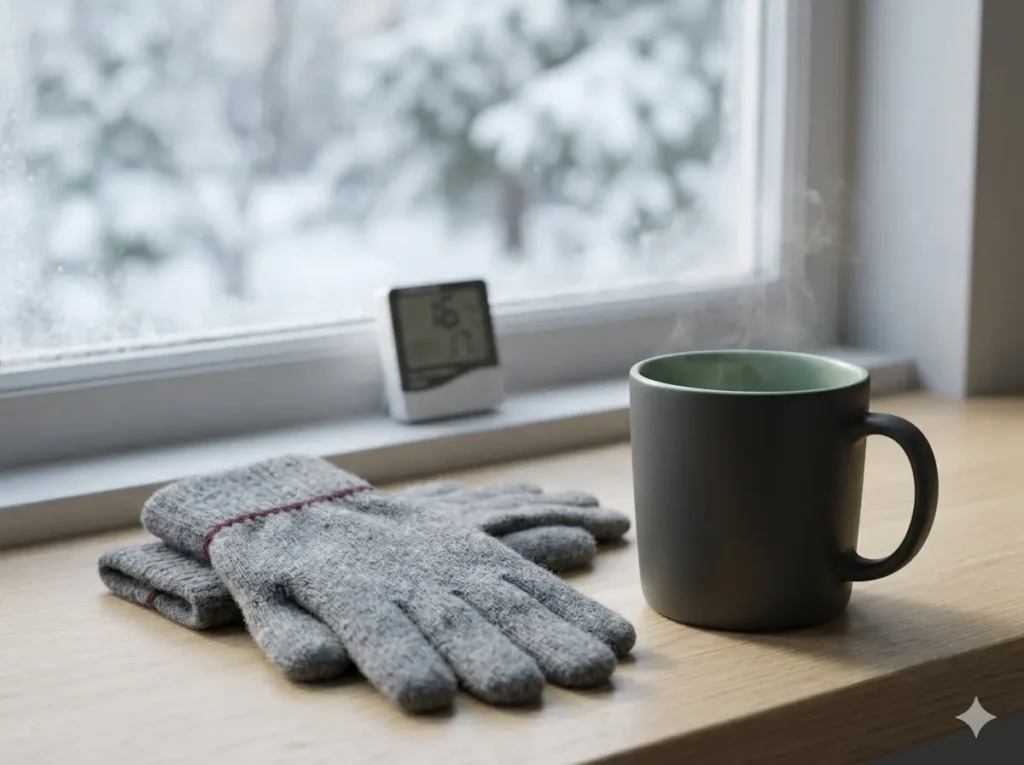
A careful, mobile-friendly look at cold hands, circulation cues, and daily triggers, explaining why cold hands can come from ordinary context, but persistent changes deserve attention without turning a general health fact into personal medical advice.
This guide complements the wider
and the broader
.
At a glance
- The surprising part is real enough to notice, but context matters before anyone worries about body signals.
- A single habit or body signal rarely tells the whole story by itself.
- Patterns over time are usually more useful than one strange day or one viral claim.
- Severe, sudden, persistent, or personal symptoms belong with a qualified professional, not a comment thread.
What this guide helps with
This guide is built for practical searches, not vague inspiration. It connects the main topic to ordinary kitchen decisions: what to choose, what to prepare first, and what to notice while cooking.
If you want to use it quickly, scan the subheadings first and come back to the relevant section when you are shopping, planning a meal, or comparing ingredients at home.
Why this catches attention
Cold Hands Are Not Always About the Weather works as a headline because it points at something ordinary that many readers have felt or seen. The useful version of the story is not panic. It is the reminder that cold hands can come from ordinary context, but persistent changes deserve attention. A good health fact should make someone more observant without making them assume the worst from one small detail.
What may be happening
In everyday life, cold hands, circulation cues, and daily triggers can be shaped by sleep, stress, meals, hydration, medications, activity level, age, and the timing of a routine. That does not mean one cause explains every person. It means the body is connected enough that a small change in one part of the day can show up somewhere else.
The mistake people make
The common mistake is treating a viral fact like a personal answer. A post can explain a pattern, but it cannot know a reader’s medical history, current symptoms, lab results, medication list, or risk factors. That is why the safest takeaway is awareness, not self-diagnosis or a dramatic lifestyle change overnight.