What Sitting All Day Quietly Does to Your Body
A careful, mobile-friendly look at long sitting, stiff hips, and low daily movement, explaining why the body reacts to stillness even when a person feels busy and mentally active without turning a general health fact into personal medical advice.
A practical way to notice it
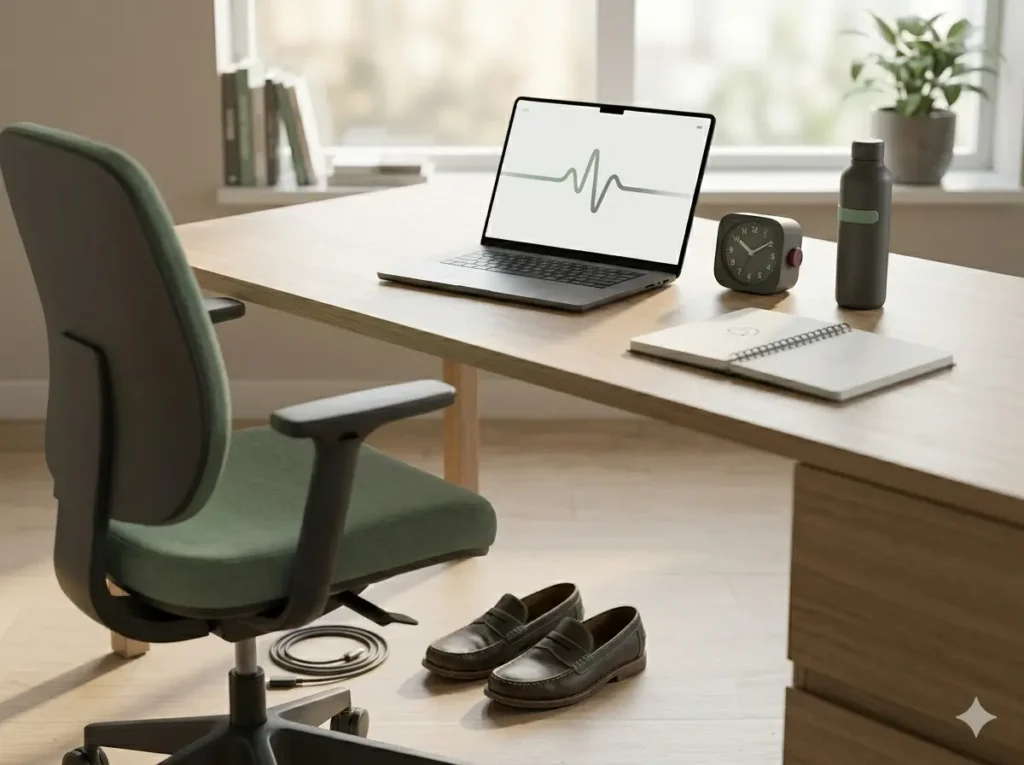
A reader can often learn more by watching the pattern for a short time: when it happens, what changed that day, whether it improves with basic routine changes, and whether it comes with other symptoms. Writing down simple notes can make a later conversation with a professional clearer if the issue continues.
When it deserves more attention
Any symptom that is severe, sudden, persistent, worsening, unusual for the person, or paired with worrying signs should be taken seriously. Online articles are useful for general context, but they are not built for urgent decisions. When the situation feels personal or concerning, professional care is the responsible next step.
Frequently asked questions
Does this mean movement is always a health problem?
No. The article describes general patterns, not a diagnosis. Many everyday signals have ordinary explanations, and personal context matters.
Should I change my routine immediately after reading this?
Use the information as a prompt to observe your habits. Major changes, supplements, medication decisions, or symptom concerns should be discussed with a qualified professional.
Why do viral health posts often sound more certain than they should?
Certainty gets clicks, but health is usually contextual. A responsible article explains what may be connected, what is unknown, and when a reader should seek individual advice.
What to apply first
If you want to put this guide to work quickly, begin with two simple moves: The surprising part is real enough to notice, but context matters before anyone worries about movement. A single habit or body signal rarely tells the whole story by itself. That keeps the article practical instead of letting it sit as theory only.